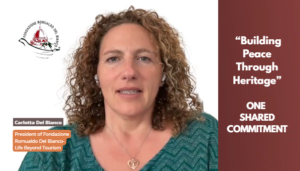


Cultural heritage is a repository of memory and a living network of relationships that must be nurtured over time. It takes concrete form through encounters between people, the exchange of knowledge, and the mutual curiosity that can turn geographical distance into opportunities for shared growth.
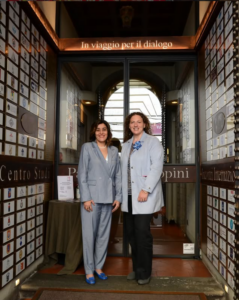
At Palazzo Coppini, home of the Romualdo Del Bianco Foundation – Life Beyond Tourism®, every object tells a story of meaningful dialogue between cultures. The Foundation’s relationship with China, in particular, spans more than twenty-five years of close academic, artistic, and human collaboration, rooted in the principles of cultural diplomacy as a means of fostering mutual understanding and respect.
The Beginning of the Story: From the First Contacts with Taiwan to Beijing
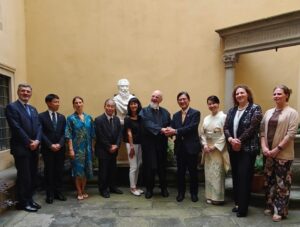
The Foundation’s first relationships with the Chinese world began in the late 1990s through an initiative of the University of Florence, which sought to establish an agreement with a university in Taipei. The Foundation opened its doors to a delegation of university rectors and professors, marking the beginning of a relationship that would develop over the years.
That first experience showed how the academic world could create genuine opportunities for collaboration beyond geopolitical complexities. Culture provided common ground for encounter and exchange. Strong relationships soon developed with institutions in Beijing and with the China Central Academy of Fine Arts (CAFA), creating a rich network of exchanges that regularly brought Chinese students and professors to Florence.
Among the treasured memories preserved at Palazzo Coppini is a traditional black silk dress, custom-made in Taiwan for Carlotta Del Bianco: a tangible symbol of how academic hospitality can evolve into personal friendship.
Missionaries, Archaeologists and Intellectual Bridges
Another fascinating chapter in this story concerns the Foundation’s encounters with Italian missionaries working in China, introduced by Dr Maurizio Bossi. Scholars, archaeologists and Xaverian missionaries had developed a profound knowledge of Chinese culture, to the point of feeling part of it themselves. During complex years, they worked discreetly as university professors, travelling across vast territories and conducting research at remote sites.
This context also evokes the intellectual legacy of Giuseppe Tucci, a remarkable bridge between Italy and the East. The books and traces of these experiences preserved by the Foundation bear witness to a Culture of Dialogue that predates and continues to inspire its work today.
International Seminars and “Open Ideas”: Designing Together
Between 2000 and 2002, collaboration intensified through the international “Open Ideas” project, focused on urban and architectural regeneration. One of its key moments was an international seminar held at the former San Domenico complex in San Gimignano, aimed at exploring a new future for the former prison.
Bringing together universities from around the world, including CAFA, the initiative became a genuine laboratory of multicultural exchange. Chinese and European students worked side by side, comparing different perspectives and approaches and producing publications and project proposals that continue to enrich the Foundation’s library today.
The Bust of Marco Polo in Chengdu: The Diplomacy of Beauty
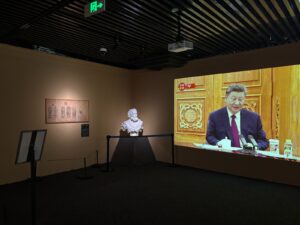
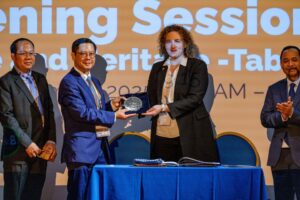
The Foundation continues to promote Italian culture around the world through initiatives of strong symbolic value. To mark the 700th anniversary of Marco Polo’s death, a marble bust of the Venetian traveller, created by sculptor Dino De Ranieri, was donated to the Sichuan Museum.
The work celebrates Marco Polo as a historic figure of encounter between East and West. Accompanied by a “Talking Plaque” with a QR code, promoted in collaboration with the Italian Ministry of Foreign Affairs and the Consulate General of Italy in Chongqing, this twenty-seventh international donation reflects the mission of Palazzo Coppini: to make art a silent ambassador of peace and mutual understanding.
Objects of Gratitude: Symbols of an Enduring Relationship
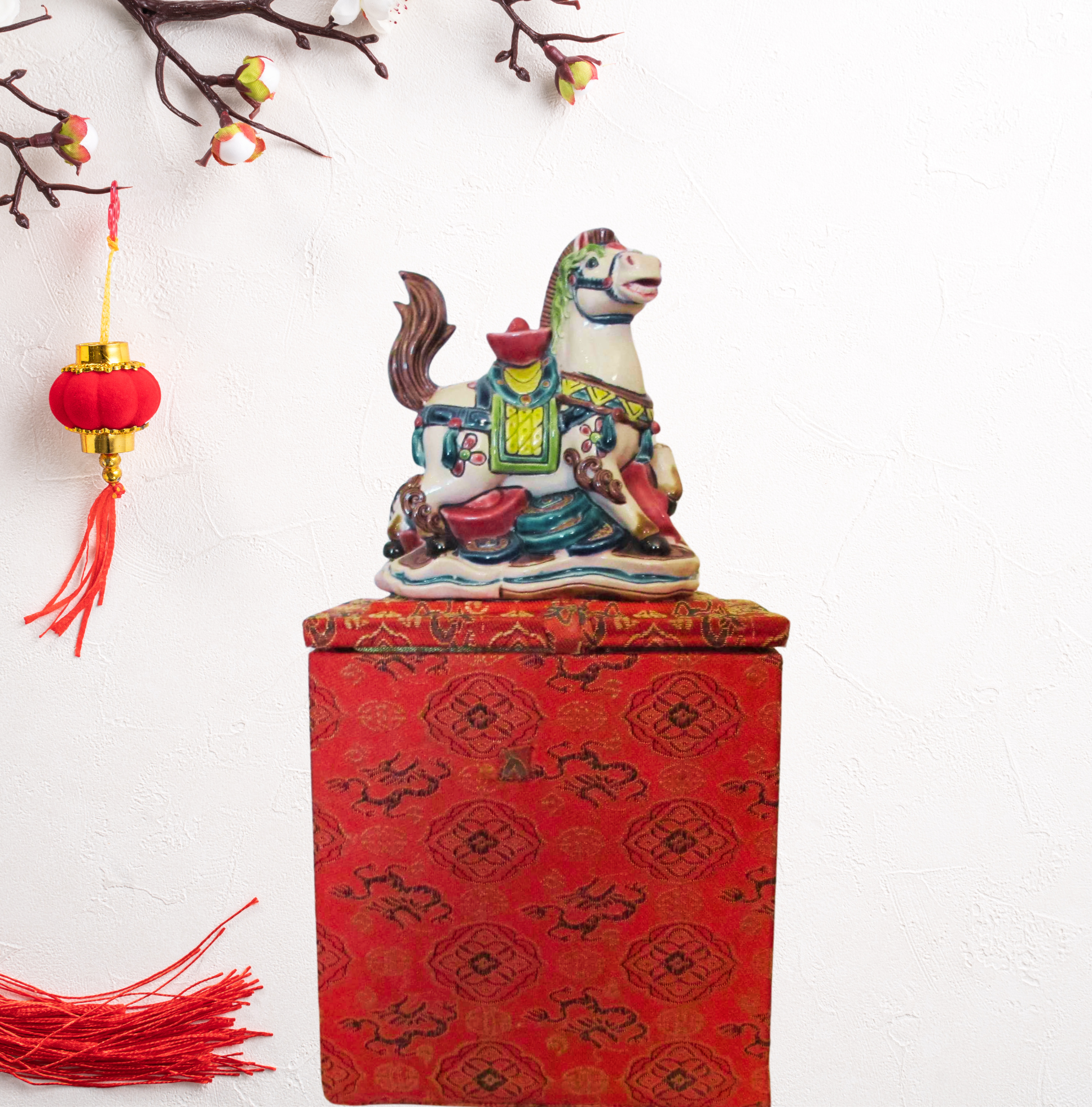
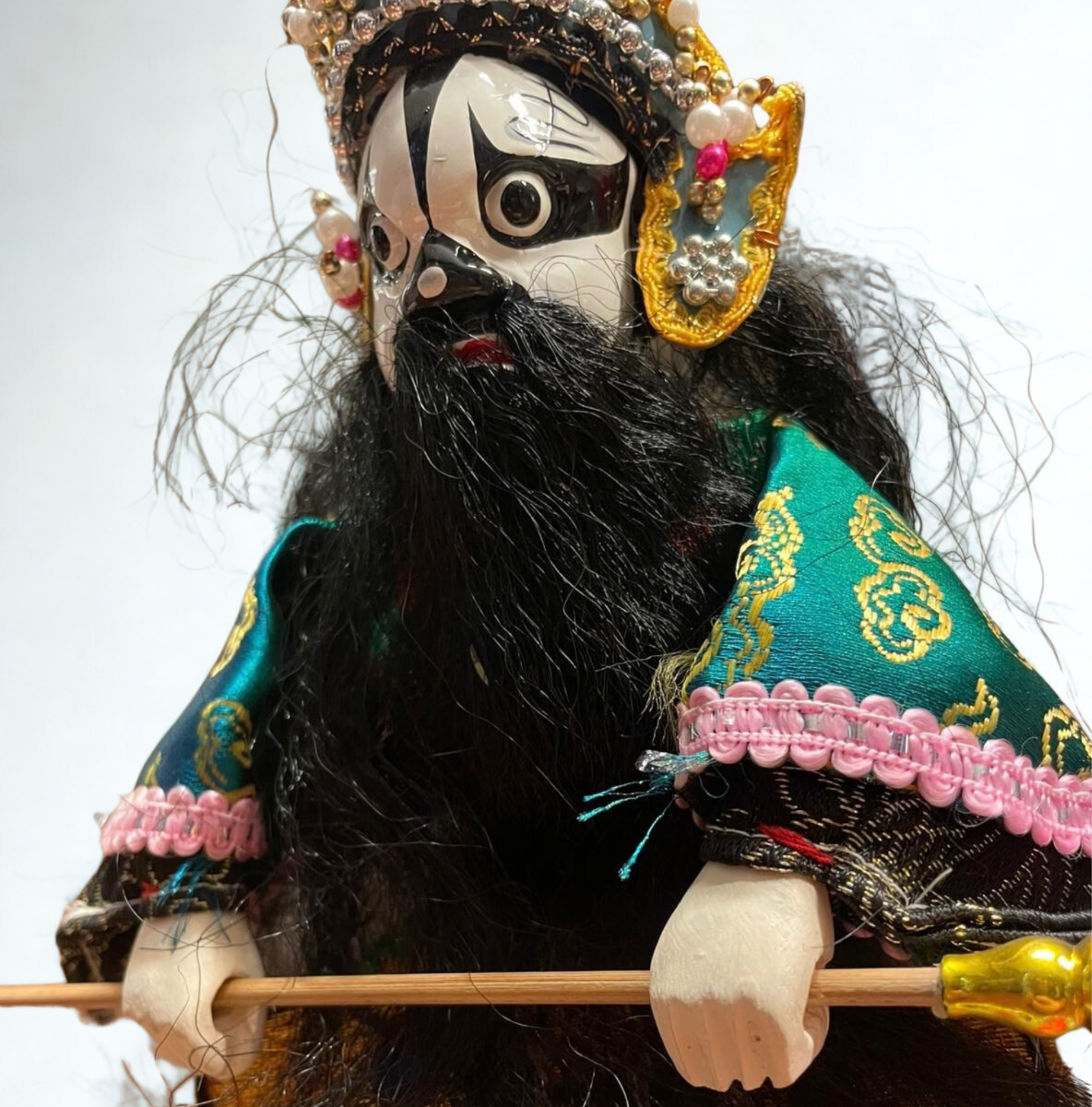
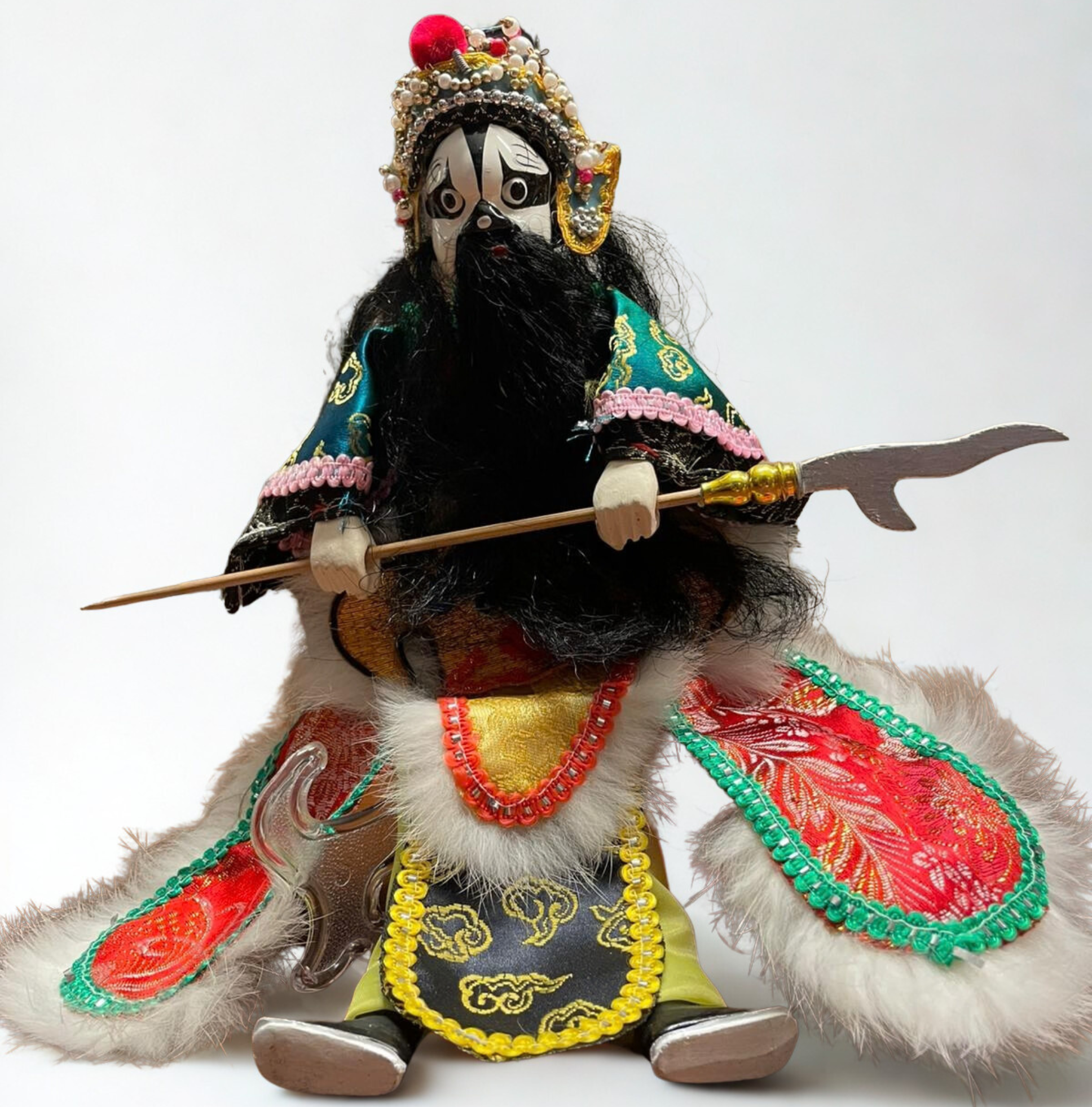
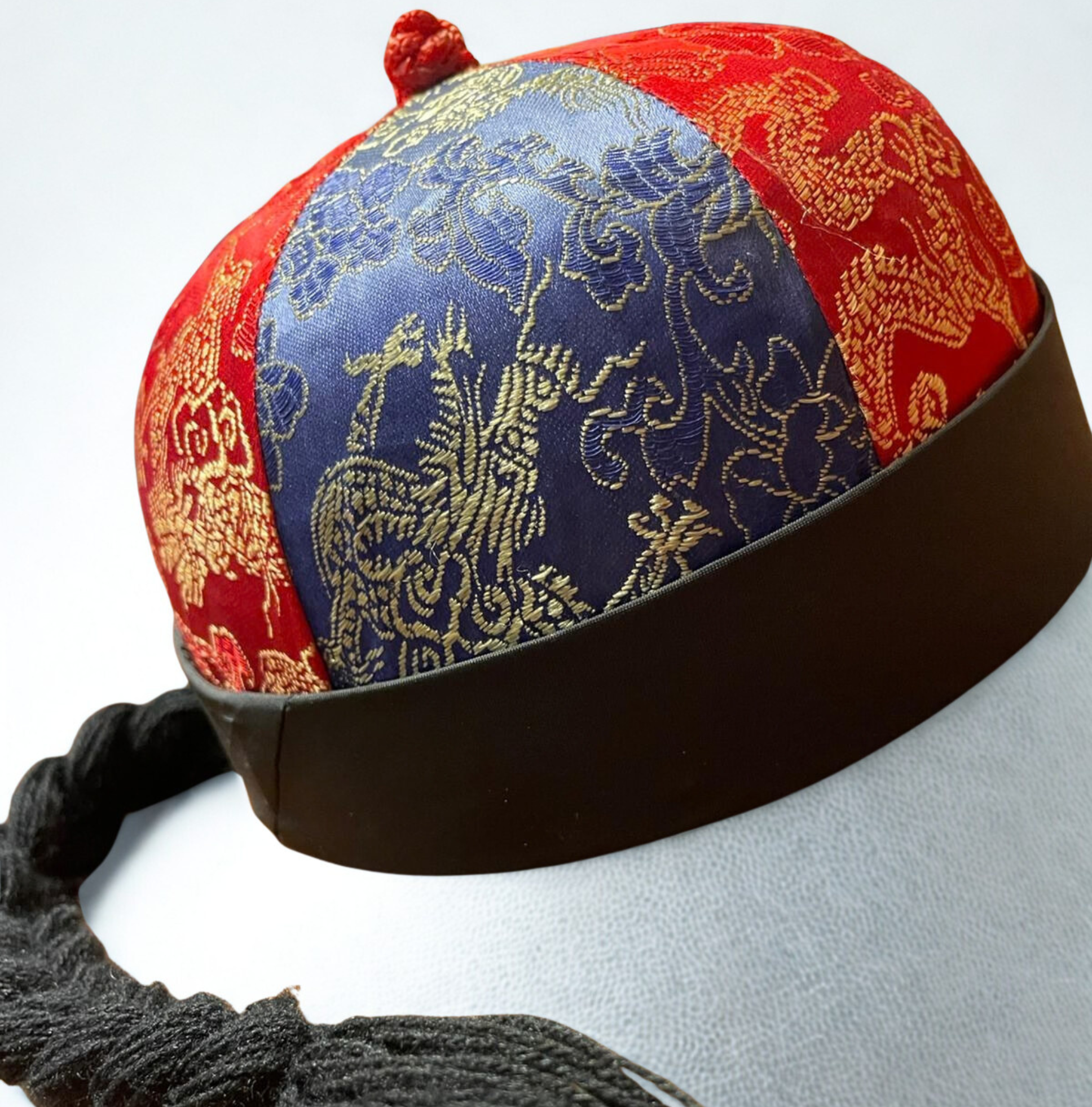
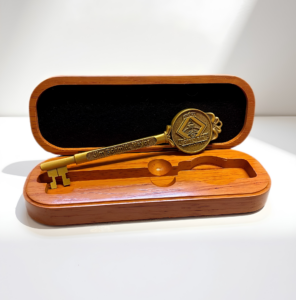
The Museum of the Sacredness of Expressions of Gratitude at Palazzo Coppini preserves unique objects that tell the story of this longstanding relationship:
- a puppet depicting Xiang Yu, the Hegemon-King of Western Chu;
- a traditional red and purple brocade hat with a black braid;
- a red silk box decorated with dragons and auspicious Chinese characters, containing a porcelain horse figurine;
- Chinese-language editions of Dante’s Divine Comedy.
Each object is a tangible expression of a Culture of Dialogue built day by day through stories, passions, relationships, and shared experiences.
A Bridge Spanning Twenty-Eight Years
From 1998 to the present day, the dialogue between Florence and China has continued to grow. Students, artists, researchers, and professors have crossed this symbolic bridge, bringing with them ideas, gifts, and memories.
At Palazzo Coppini, these traces come together to form a collective narrative: a testament to how lived multiculturalism can transform cultural heritage into human heritage, continually renewing the promise of a future built on mutual understanding and respect.