

Cultural heritage, both tangible and intangible, is a repository of memories to be carefully preserved and, at the same time, a living network of relationships that must be nurtured and sustained. It takes concrete form through communication between people and the fruitful exchange of ideas fostered by the Culture of Dialogue, through which differences can become valuable opportunities for mutual growth.
Within the Museum of the Sacredness of Expressions of Gratitude at Palazzo Coppini, every object in the collection tells an authentic story of encounters between cultures and lasting friendship. Among these are numerous significant testimonies from Poland, documenting a long journey of academic, artistic, and human cooperation that has grown over time thanks to the Romualdo Del Bianco Foundation – Life Beyond Tourism® and its enduring commitment to promoting intercultural exchange as a universal means of fostering peace and mutual enrichment.
The Origins of the Relationship: The Early 1990s
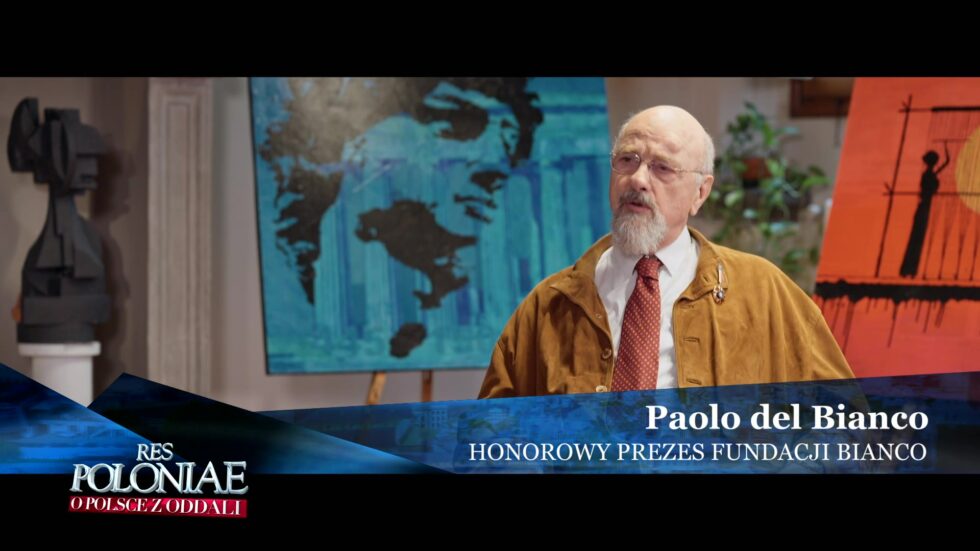
The roots of this longstanding relationship date back to the period between 1993 and 1995, during a working trip involving the architects Paolo Del Bianco, Alessandro Dini, and Wladislav Cyanowzski. It was then that Paolo Del Bianco expressed his wish to meet the deans of the Faculty of Architecture in Warsaw.
The first meeting with Dean Stefan Wrona and Vice-Deans Stefan Westrych, Cuprys, and Dyga initially took place in a formal, institutional setting. During the meeting, the Polish academics were warmly invited to spend around ten days between Forte dei Marmi and Florence. Despite some initial caution and hesitation, they decided to accept the invitation, accompanied by their families.
The hospitality offered by the Del Bianco family at their home in Forte dei Marmi proved decisive in overcoming those initial reservations and transforming caution into genuine trust. The warm and informal atmosphere paved the way for a sincere relationship, rooted in mutual respect and a genuine desire to get to know one another beyond their professional roles. From that experience emerged a personal bond that would grow stronger and endure over time.
Expanding Academic and International Networks
From this first network of relationships came the ambitious vision of creating a structured network connecting similar institutions across different European countries. With the invaluable support of Polish colleagues, new channels of collaboration were established with Prague, Budapest, Bratislava, and Kraków, involving prominent figures including Bohumil Fanta, Eva Fantova, Mihail Zador, Eva Kralova, Andrzej Kadlucka and, from the Academy of Fine Arts, Jan Pamula.
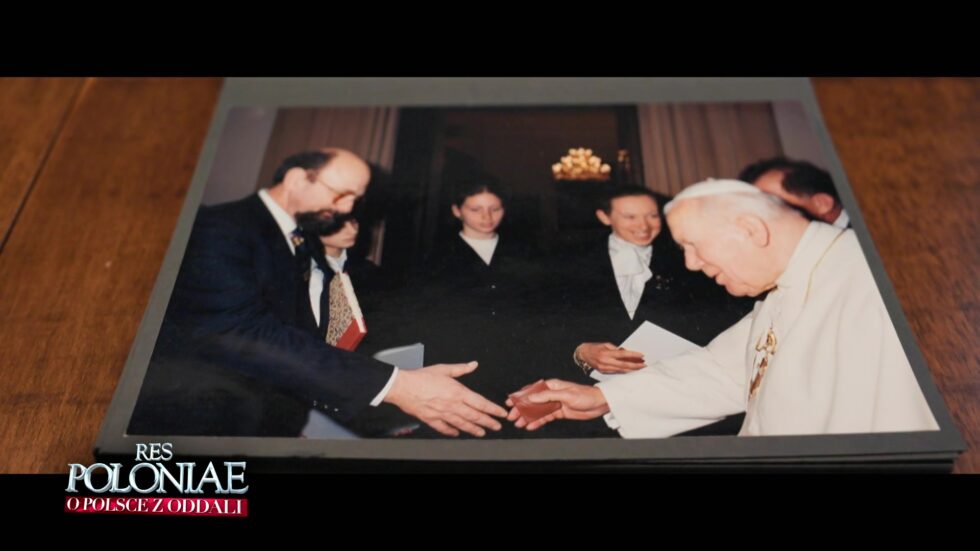
A particularly significant moment of spiritual and cultural exchange took place during a visit to Rome from 11 to 13 February 2000, made possible through the generous commitment of Professors Ewa Gyurkovich and Joseph Novobilsky. On that occasion, the delegation had the memorable opportunity to meet Pope John Paul II. The experience further strengthened the bonds of friendship among the participants and highlighted the value of encounter as an opportunity for personal growth and a deeper understanding of one another’s identities.
Art, Young People and Workshops for Intercultural Exchange
An important methodological development in this collaborative journey came from Ewa Kutermack Madej, who recognized the importance of involving younger generations as active participants in intercultural dialogue. This insight led to the creation of weekly international workshops centred on artistic expression, regularly held between November and March during each academic year.
Students and professors from different European countries were welcomed to Florence for a week and brought together in carefully organized working groups designed to provide an immersive intercultural experience. The distinctive value of the initiative lay in the quality of the human exchange that developed day by day, alongside the work produced during the workshops.
The days combined formal presentations, collaborative working sessions, informal gatherings, and spontaneous discussions, culminating on Friday evening with an award for the group that had most effectively embodied the spirit of cooperation. The experience traditionally concluded with the well-known Pasta Party and the cutting of the official Romualdo Del Bianco Foundation cake, which became tangible symbols of unity in diversity.
Sculpture as Shared Memory: The Work of Stefan Dousa
A central figure in this artistic and cultural dialogue between Florence and Poland was Stefan Dousa, a renowned sculptor closely associated with the city of Kraków. The creator of major bronze works—including the monument dedicated to the martyrs of the communist regime at the entrance to Kraków’s monumental cemetery—Dousa demonstrated a remarkable ability to translate historical memory and the enduring hope of a people into universal sculptural forms.
Palazzo Coppini preserves the original model of his celebrated cross supported by intertwined hands, together with other works created specifically for the Foundation. Among these, two bronze sculptures are particularly significant.
The cross supported by five hands is a powerful visual metaphor for human solidarity, in which different hands join together to support a shared destiny.
The composition of two life-size hands connected by slender metal rods evokes the themes of contact, relationships, and mutual trust, closely reflecting the principles of the Life Beyond Tourism® philosophy.
Objects of Gratitude and the Connection with Barga
Among the gifts and material testimonies from Poland preserved in the Museum are finely crafted polychrome wooden birds, including an intricately carved peacock donated by Stefan Westrych and created by the Kopczynscy artisans. Rich in colour and minute detail, the work reflects the vitality of Polish craftsmanship and the universal value of beauty as a shared language.
Another significant chapter in this history was Stefan Dousa’s solo exhibition held in Barga in February 2002. The exhibition strengthened the relationship with the historic Il Bisonte Gallery in Florence and with Maria Luigia Guaita, united by a shared ethical and civic vision expressed through art.
This collaboration opened the way to important exhibition opportunities and enabled the artist to leave a lasting mark in Barga. Through these shared aesthetic experiences, meaningful memories become part of the collective memory of local communities, reaffirming the universal values promoted by the Romualdo Del Bianco Foundation – Life Beyond Tourism®.