

The Role of Palazzo Coppini and the Romualdo Del Bianco Foundation
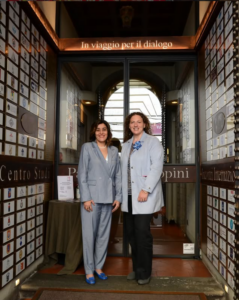
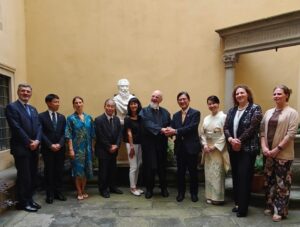
In the historic heart of Florence, Palazzo Coppini is much more than a building: it is an international hub for encounters, a meeting point for ideas and perspectives created by the Romualdo Del Bianco Foundation and shaped by its Life Beyond Tourism® approach. Over the decades, it has become home to a remarkable intangible heritage, built through an extensive network of international relationships, including the Foundation’s longstanding connection with the Czech Republic.
The roots of this relationship lie in decades of academic, scientific, and cultural exchange. Since the Foundation’s early years, dialogue with institutions in Bohemia and Prague has continued to develop, becoming an important part of its cultural diplomacy. Hundreds of books, historical documents, works of art, and other objects preserved at Palazzo Coppini reflect a shared history connecting the two countries through mutual respect and an appreciation of culture and beauty.
Architecture, Diplomacy and Friendship Between Florence and Prague
The relationship between Florence and the Czech Republic has found one of its strongest expressions in the preservation and promotion of cultural heritage. Leading figures from the academic and institutional worlds—including Professor Bohumil Fanta, Dean of the Faculty of Architecture at the Czech Technical University in Prague, and his wife Eva Fantova—played an important role in strengthening these relationships.
Collaboration extended beyond the academic sphere to involve embassies, honorary consulates, and cultural institutes. The contribution of key figures such as Angela Trezza Cabriles, Director of the Italian Cultural Institute in Prague in the 2000s, together with the continued involvement of the Embassy of the Czech Republic in Rome, helped turn these relationships into concrete initiatives.
A particularly significant moment came in 2002, when the Foundation made an important contribution to saving archives of the Czech Technical University in Prague that had been severely damaged by the devastating floods that struck the Czech capital.
Historical Note: The enduring relationship between Florence and Prague is also reflected in unique donations, including rare volumes rescued during environmental emergencies and now preserved in the Foundation’s collections as tangible testimonies to a lasting cultural bond.
Bohemia in Florence: Memory, Exile and Craft Traditions
Palazzo Coppini preserves an important collection of books and documents dedicated to the history of Bohemia and to the dramatic displacement of the people of the Ledro Valley between 1915 and 1919, documented through the memories of Dario Colombo. These accounts tell of the hardships endured by communities from Trentino who were forced to leave their homeland during the First World War and of the welcome they subsequently received in Bohemia.
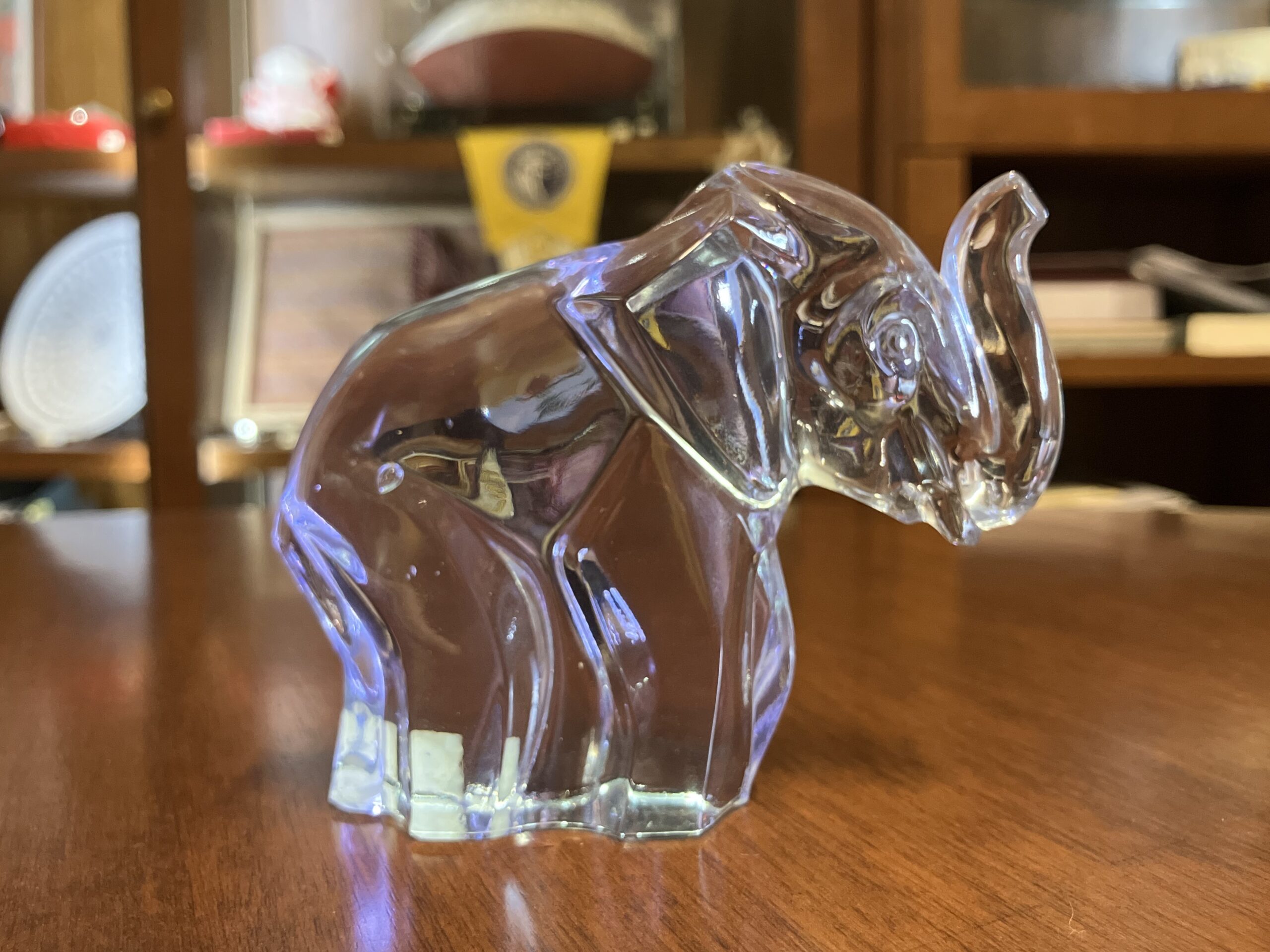
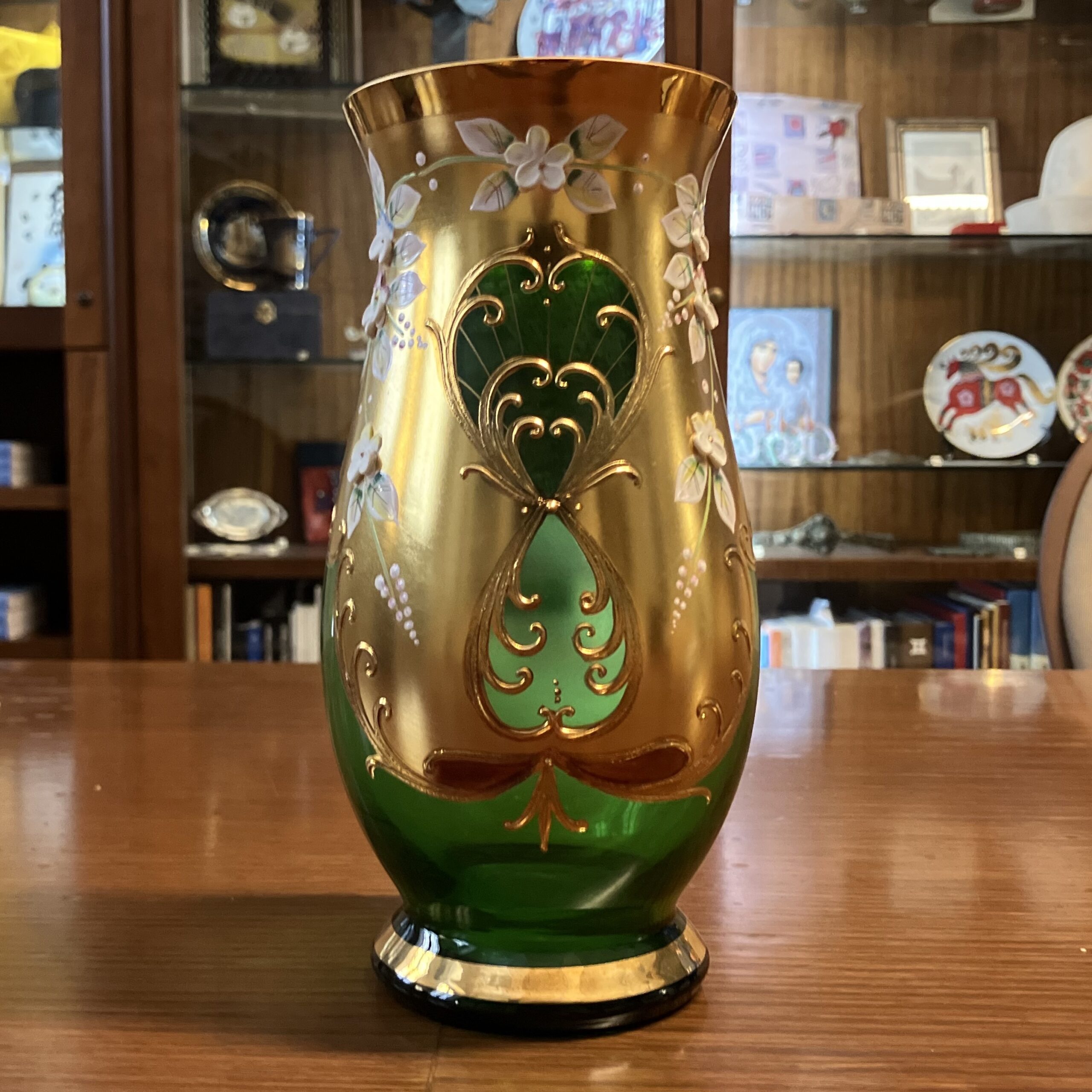
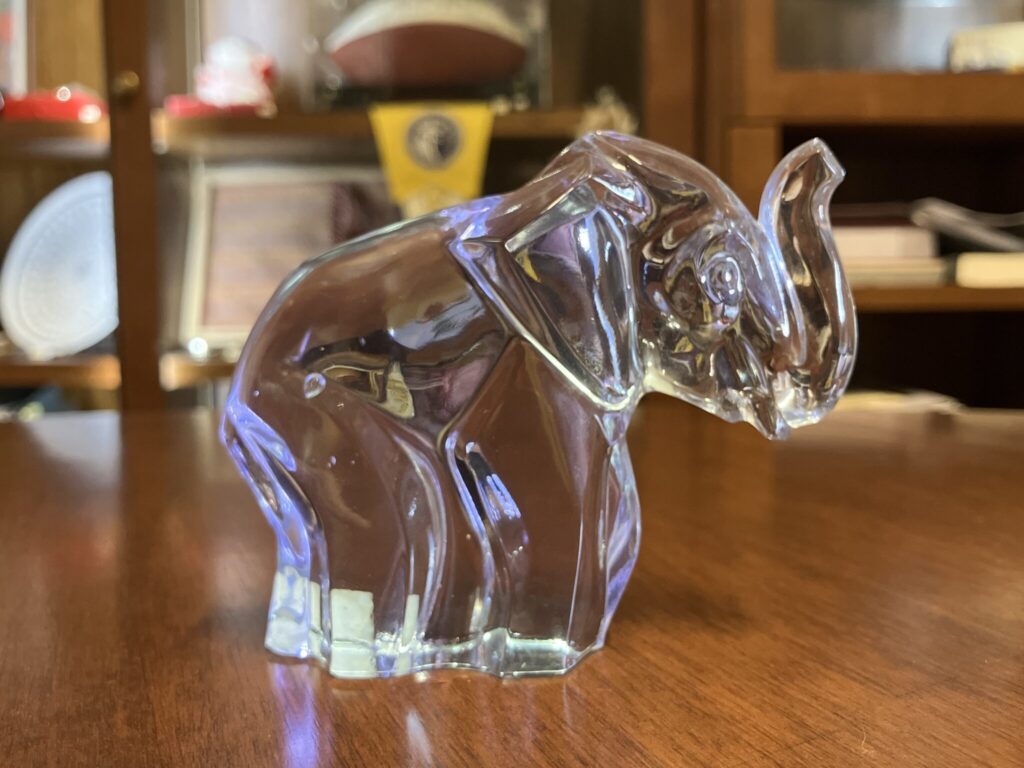
Alongside these historical memories, Palazzo Coppini also preserves examples of Bohemian craftsmanship. Art glass, hand-cut crystal, and porcelain decorated with distinctive motifs—including the celebrated Zwiebelmuster, or Blue Onion pattern, and pieces produced by Bohemia Crystalex—reflect the craftsmanship of a region with a centuries-old tradition.
Each object tells a story that extends beyond its material value, preserving the skills, traditions, and cultural identity passed down through generations of craftspeople.
Palazzo Coppini: A Home for the Culture of Dialogue
Today, Palazzo Coppini continues to bring the principles of Life Beyond Tourism® into practice through the work of the Romualdo Del Bianco Foundation. Its spaces—from meeting rooms to exhibition areas—are designed to encourage encounters and constructive exchange between people from different cultural backgrounds, fostering openness and respect for cultural diversity.
Through international meetings, study programmes, and cross-border cooperation projects, the Foundation continues to pursue its mission: making cultural heritage a resource for peace, cultural diplomacy, and sustainable development, while strengthening Florence’s role as a meeting place for intercultural dialogue.