

The Culture of Dialogue takes shape through mutual understanding and encounters between people, in a process of exchange that turns distance into an opportunity for shared growth. At Palazzo Coppini—headquarters of the Romualdo Del Bianco Foundation and the Life Beyond Tourism® movement—every object preserved in its rooms is part of a living story shaped by intercultural exchange between different identities.
Among the Foundation’s deepest and most enduring relationships, developed through its commitment to multiculturalism, its bond with Armenia holds a special place. Built over time through academic exchanges, institutional relations and, above all, genuine human connections, it reflects a shared commitment to dialogue and mutual understanding.
From Academia to Institutions: The Roots of the Relationship
Cooperation between Florence and Armenia has its roots in collaboration with the international academic community, connecting prestigious universities through an active network of relationships. A key figure in this journey is Professor Arest Gurghenovich Beglaryan, former Rector of the National University of Architecture and Construction of Armenia in Yerevan.
Since 2000, together with his wife Lilit, Professor Beglaryan has maintained an ongoing relationship with the Foundation in Florence, culminating in 2013 with the dedication of a room at Palazzo Coppini in his honour. A tangible testimony to this exchange is a book on Italian landscapes donated by Beglaryan during their early meetings: an Armenian-language volume enriched with handwritten notes and underlining, reflecting his attentive observation and personal engagement.
Over the years, Armenian delegations have enriched the collections of Palazzo Coppini with gifts of strong symbolic significance.
The wooden Khachkar is a faithful reproduction of the traditional Armenian cross-stone, a monument that since the ninth century has embodied faith, spirituality and the enduring national identity of a resilient people.
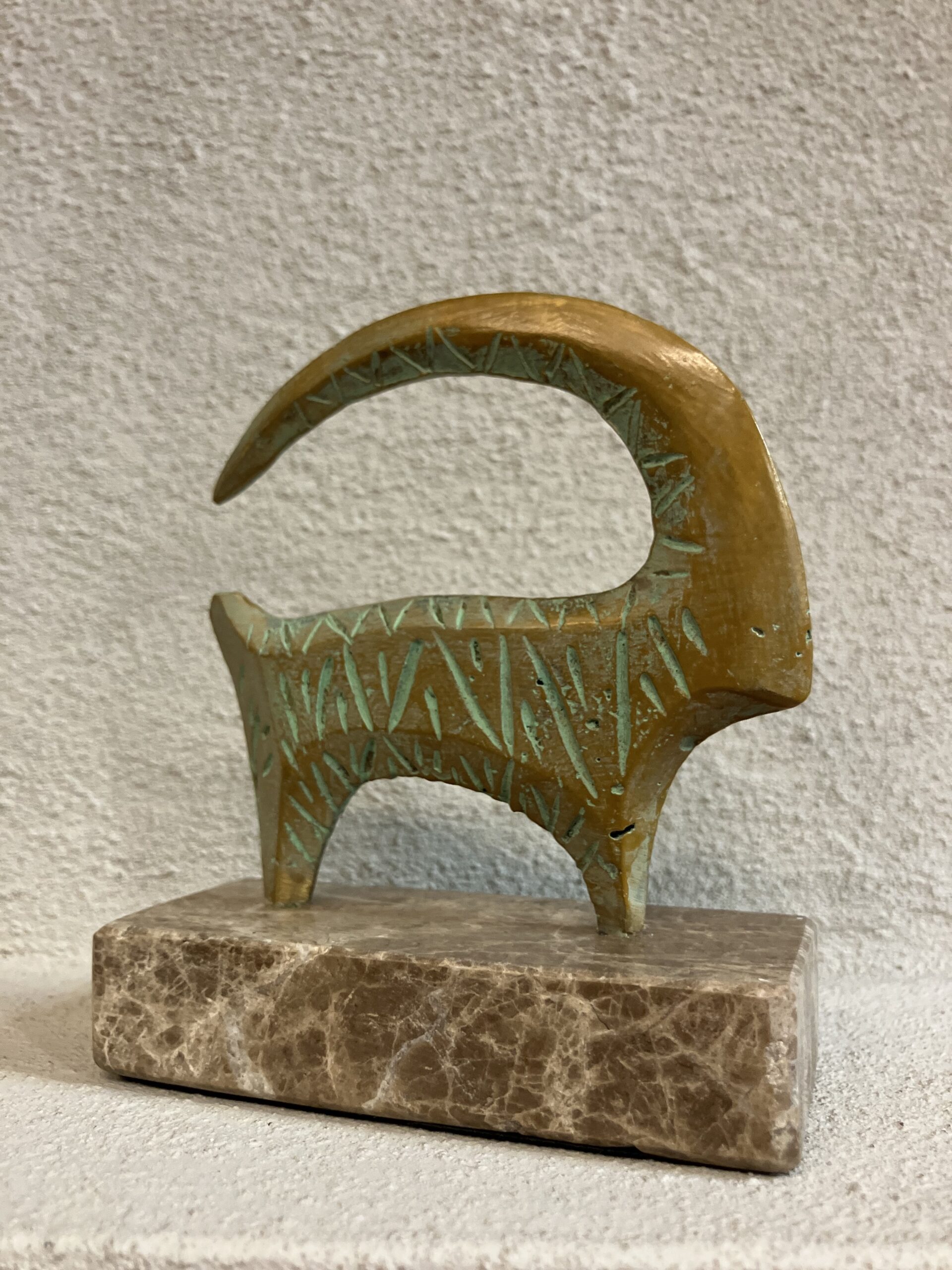
A small brass sculpture depicting a mouflon, created by artist Armen Arakelyan and donated by Gagik Galstyan, evokes the strength and natural landscape of Armenia.
The renowned Ararat Cognac is represented by historic bottles, some bearing personalized labels dedicated to the Foundation and Paolo Del Bianco, associated with hospitality and respect on important occasions.
Family, Hospitality and Shared Identity
The relationship between Florence and Yerevan extends well beyond the professional sphere and has developed strong personal roots. The Del Bianco family has been welcomed in Armenia on several occasions, taking part in meaningful family celebrations, including a baptism.
Armenian society is characterized by a strong sense of community and warm hospitality. Despite a complex history marked by profound challenges, the Armenian people have preserved a strong cultural identity in which hospitality holds a special place and values are passed down through everyday rituals and collective celebrations.
Symbols of Tradition: Armenian Coffee and an Ancient Alphabet
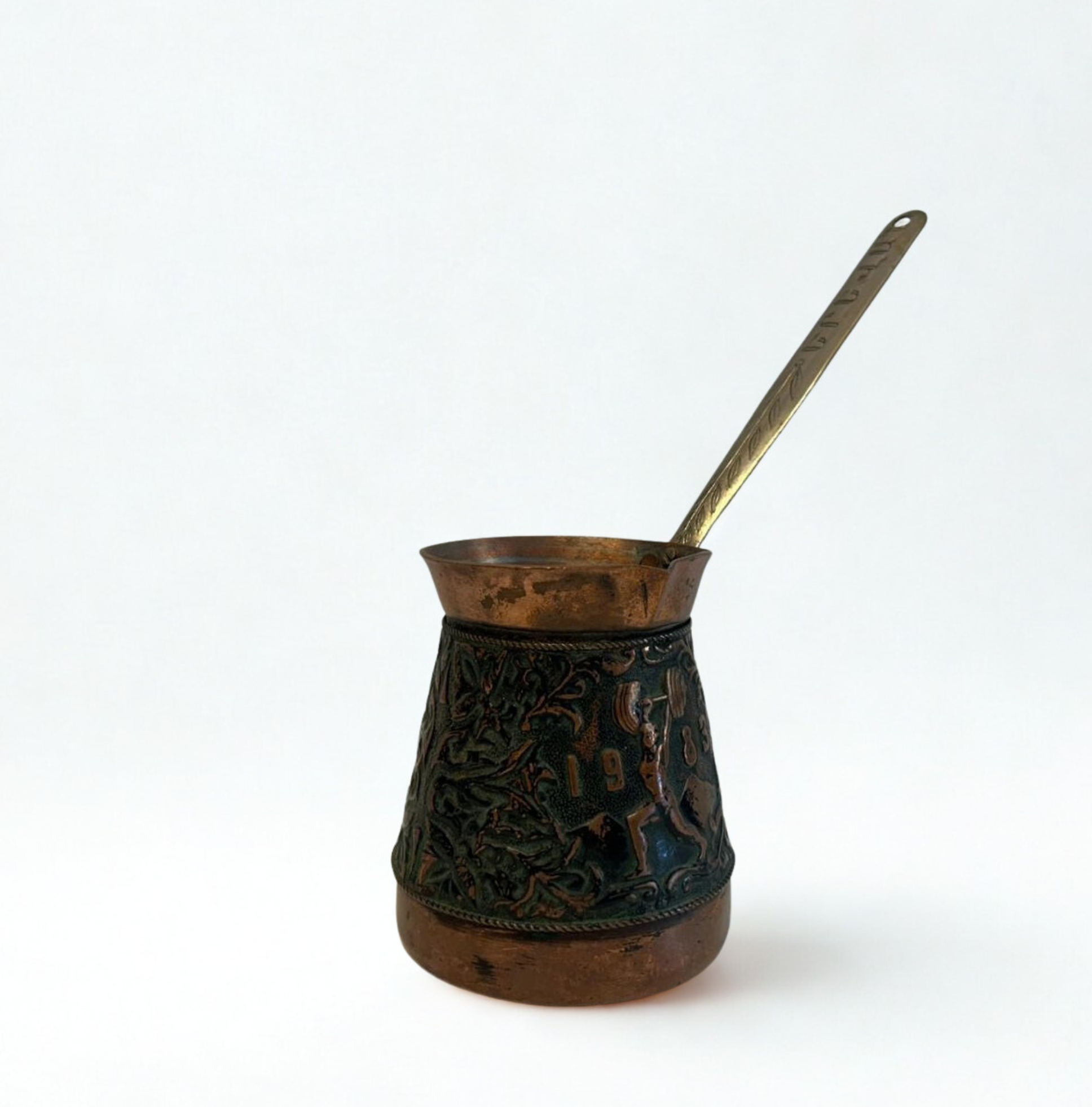
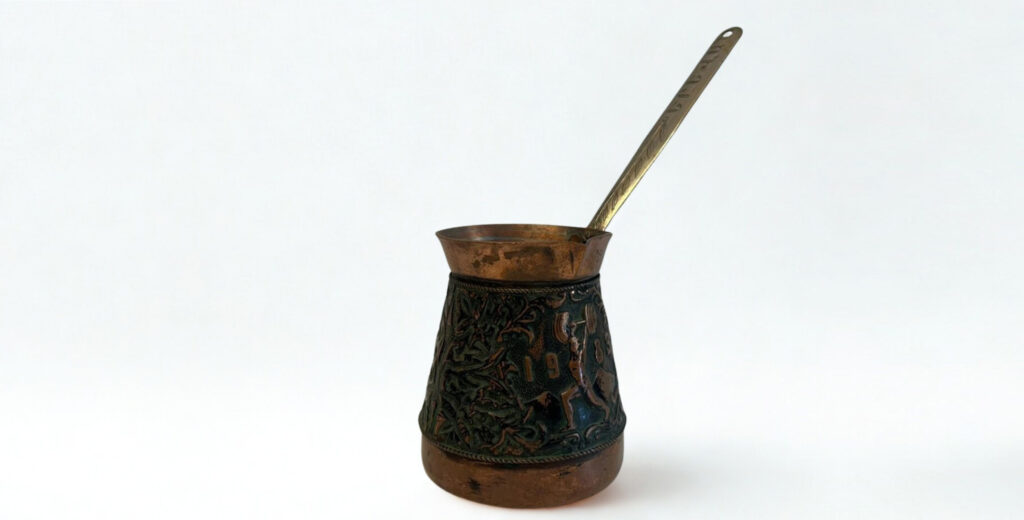
Among the traditions preserved in the Foundation’s memory is the ritual of Armenian coffee, prepared using the traditional copper pot known as a jazve. Finely ground coffee is slowly boiled with water and sugar to produce a rich, foamy drink historically associated with conviviality and conversation. The Museum of the Sacredness of Expressions of Gratitude preserves a commemorative coffee pot dating from 1983 and dedicated to Olympic champion Yuri Vardanyan.
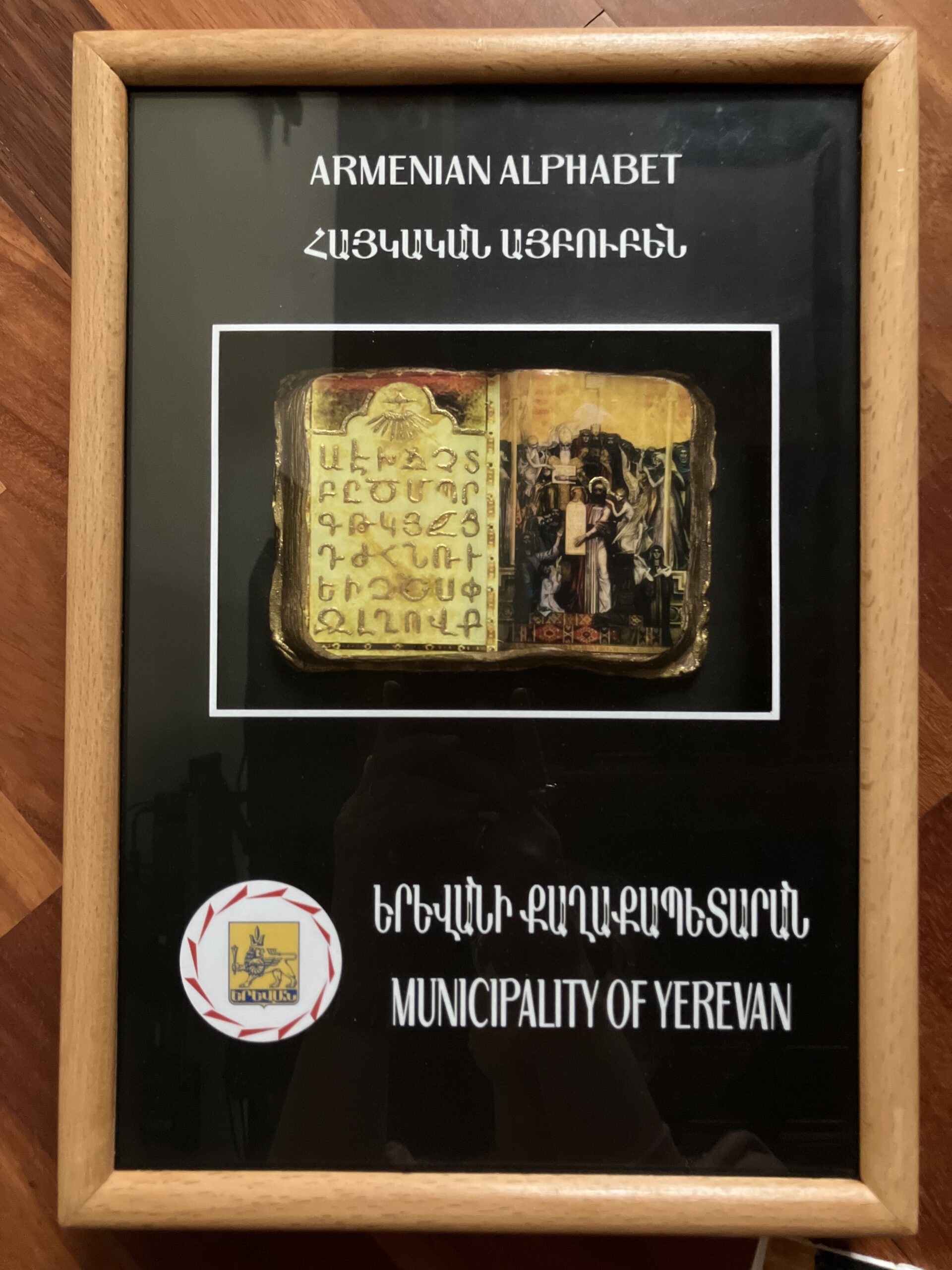
Alongside these traditions stands a deep pride in the Armenian language. One gift of exceptional cultural significance is a display case containing a reproduction of the Armenian alphabet, created in the fifth century by the monk Mesrop Mashtots. Comprising thirty-nine letters, the alphabet has served both as the means through which sacred texts were handed down and as an enduring symbol of national identity, also celebrated when Yerevan was named UNESCO World Book Capital.
Official Recognition and Spirituality
Over the years, this cultural bridge has also been acknowledged through significant institutional recognition.
In 2008, the President of the Foundation was awarded an Honorary Degree by the State University of Architecture and Construction of Armenia in Yerevan.
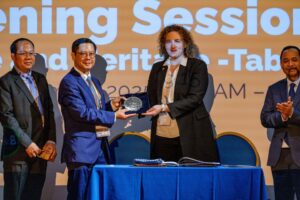
In 2013, the Armenian Ministry of Culture presented an official diploma together with a medal dedicated to Grigor Narekatsi, the renowned medieval poet and mystic.
Of particular symbolic and spiritual significance was the audience granted to Paolo Del Bianco on 18 June 2003 by His Holiness Karekin II Nersissian, Supreme Patriarch and Catholicos of All Armenians.
Today, these objects, memories and fragments of shared history find a home at Palazzo Coppini. Together, they demonstrate how two geographically distant cultures can meet, build mutual understanding and transform dialogue into a lasting friendship between peoples.